


Few beauty concerns create as much anxiety as noticing your hair becoming thinner over time.
Maybe your ponytail feels smaller than it used to. Perhaps you're finding more hair in your shower drain or noticing extra strands on your pillow each morning.
While some daily shedding is completely normal, persistent hair thinning often signals that your scalp and hair follicles need attention.
The encouraging news? Understanding the cause of hair loss is the first step toward restoring healthier, stronger-looking hair.
The Hair Growth Cycle Most People Don't Know About
Every strand on your head follows a natural cycle.
Phase 1: Growth (Anagen)
This is when hair actively grows from the follicle. Depending on genetics and overall health, this phase can last several years.
Phase 2: Transition (Catagen)
Growth slows and the follicle prepares for renewal.
Phase 3: Resting and Shedding (Telogen)
Old hair naturally sheds so new strands can emerge.
Problems arise when too many follicles enter the shedding phase at the same time, creating visible thinning and reduced density.
The 5 Most Common Causes of Hair Loss
Hair loss is rarely caused by one factor alone.
1. Stress and Lifestyle Changes
Physical and emotional stress can disrupt the natural growth cycle and trigger excessive shedding.
2. Hormonal Fluctuations
Hormonal imbalances may affect both men and women and often contribute to thinning hair.
3. Nutritional Deficiencies
Hair follicles require vitamins, minerals, proteins, and amino acids to function optimally.
4. Scalp Imbalances
A congested or poorly oxygenated scalp can affect the environment needed for healthy hair growth.
5. Environmental Damage
Pollution, UV exposure, heat styling, and chemical treatments can weaken hair over time.
Why Healthy Hair Starts at the Scalp
Many people focus exclusively on repairing damaged strands.
However, hair is produced beneath the surface of the scalp.
Think of the scalp as soil in a garden.
If the environment isn't healthy, the hair follicle struggles to produce strong, resilient strands.
A healthy scalp supports:
- Better follicle activity
- Improved hair density
- Stronger roots
- Reduced breakage
- Longer growth cycles
This is why modern hair growth treatments focus on scalp wellness as much as the hair itself.
Warning Signs You Shouldn't Ignore
Your scalp may be asking for help if you notice:
✓ Excessive daily shedding
✓ Reduced volume at the crown
✓ Widening part line
✓ Weak, fragile strands
✓ Hair that takes longer to grow
✓ Increased scalp sensitivity
The earlier these signs are addressed, the better the opportunity to preserve healthy hair density.
Ingredients That Help Support Healthier Hair Growth
Not all anti-hair loss products are created equal.
The most effective professional formulas often contain active ingredients designed to energize the scalp and reinforce the follicle.
Look for ingredients such as:
Procapil®
A cosmetic active known for helping strengthen the hair root and improve the appearance of hair density.
Botanical Extracts
Plant-based ingredients can help support scalp vitality and overall hair health.
Vitamins and Oligoelements
Essential nutrients help support normal follicular activity.
Oxygenating Complexes
These ingredients help create a healthier scalp environment where stronger hair can thrive.
Daily Habits That Can Reduce Hair Fall
Small changes often make a significant difference.
Avoid Tight Hairstyles
Excessive tension can weaken follicles over time.
Minimize Heat Styling
High temperatures can accelerate breakage and thinning.
Prioritize Nutrition
Protein, iron, zinc, and vitamins play a crucial role in hair health.
Massage the Scalp
Improving circulation may help support a healthier scalp environment.
Use Professional Hair Care
Targeted treatments can help reinforce weakened follicles and promote healthier-looking growth.
Can Hair Become Thick Again?
The answer depends on the underlying cause.
In many cases, hair that is thinning due to stress, scalp imbalance, environmental damage, or weakened follicles can improve significantly when the scalp receives proper care and support.
Consistency is key.
Hair growth is a gradual process, and visible improvements typically occur over weeks or months—not days.
Recommended Professional Hair Loss Solution
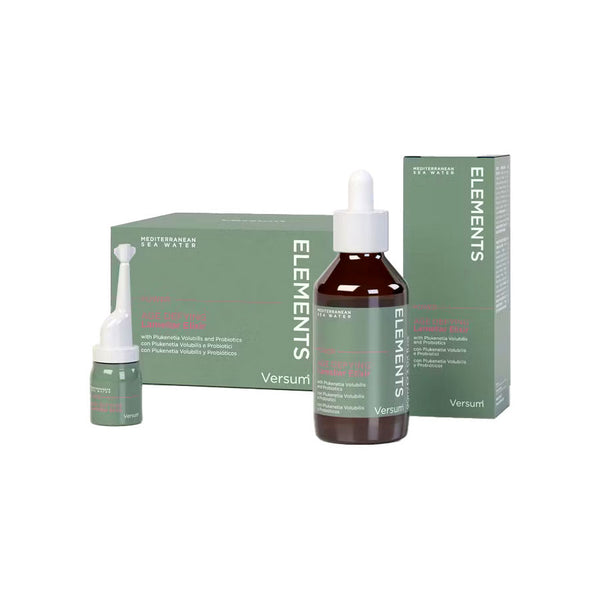
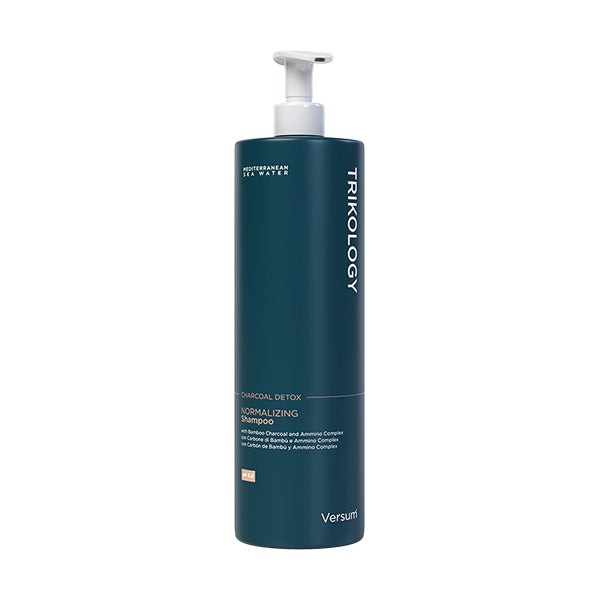
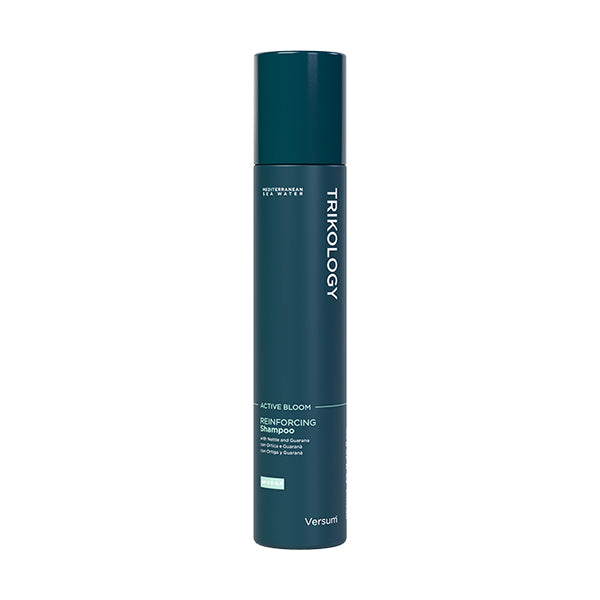
If you're experiencing hair thinning, excessive shedding, or weakened hair, the Trikology Collection from Concept Cosmetics offers a professional approach designed to support scalp health and stronger-looking hair.
The collection combines advanced formulations that help:
- Strengthen weakened follicles
- Support healthier hair growth
- Improve scalp vitality
- Reduce the appearance of hair thinning
- Promote fuller, denser-looking hair
Explore the complete collection here:
👉 https://concept-cosmetics.com/collections/trikology
Whether you're just starting to notice thinning hair or looking for a more advanced hair loss treatment routine, investing in scalp health today can make a meaningful difference in the strength, density, and appearance of your hair tomorrow.
Frequently Asked Questions About Hair Loss
What is the main cause of hair loss?
Hair loss can be caused by genetics, stress, hormonal changes, nutritional deficiencies, scalp conditions, and environmental factors.
Can thinning hair grow back?
Depending on the cause, many cases of thinning hair can improve with proper scalp care, nutrition, and targeted hair growth treatments.
How can I improve scalp health?
Regular cleansing, scalp treatments, proper nutrition, and professional hair care products can help create a healthier environment for hair growth.
What ingredients help with hair growth?
Procapil®, vitamins, botanical extracts, and oxygenating complexes are commonly used in professional hair growth treatments.
How long does it take to see results from a hair loss treatment?
Most people begin noticing improvements after several weeks of consistent use, while more significant results often require a few months.